


A Guide to Canada's Diverse Culinary Heritage
Canadian food culture represents one of the world's most diverse and evolving culinary landscapes. From traditional Indigenous dishes to modern fusion cuisine, Canada's food scene reflects the nation's multicultural identity and rich natural resources. This comprehensive guide explores the key elements that define Canadian cuisine and what makes it uniquely Canadian.
Indigenous Foundations: The Roots of Canadian Cuisine
Traditional Indigenous foods form the cornerstone of authentic Canadian cuisine. For thousands of years, Indigenous peoples have crafted dishes using locally sourced ingredients that remain central to Canadian food culture today:
Bannock bread - This versatile flatbread can be baked, fried, or cooked over an open fire and remains a staple across Canada. Pemmican, a nutrient-dense mixture of dried meat, fat, and berries, showcases the ingenious food preservation techniques of Indigenous communities. Traditional smoked salmon, wild game preparations, and three sisters dishes (corn, beans, and squash) continue to influence modern Canadian restaurants and home cooking.
European Colonial Influences: French and British Culinary Traditions
The arrival of French and British settlers in the 17th and 18th centuries introduced European cooking methods and ingredients that became integral to Canadian food identity:
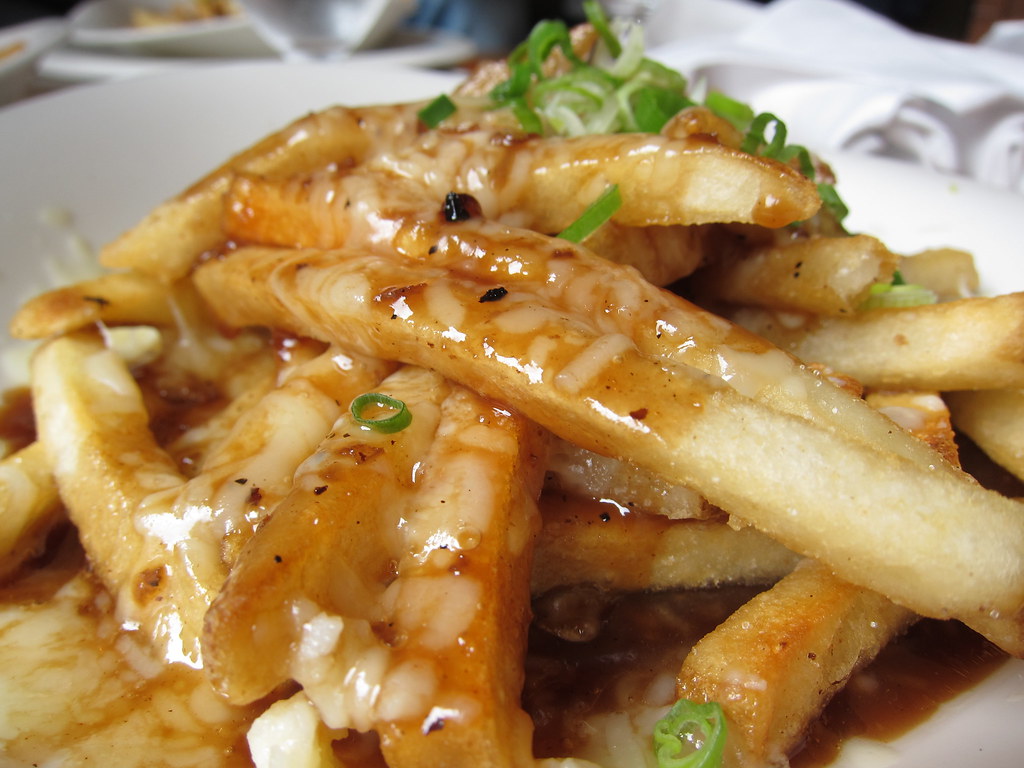
Tourtière, Quebec's famous savory meat pie, represents French-Canadian culinary heritage and remains a holiday tradition in many Canadian households. Poutine, featuring crispy french fries topped with cheese curds and rich gravy, has evolved from a Quebec specialty to Canada's most internationally recognized dish. British influences appear in fish and chips, meat pies, and afternoon tea traditions that persist in many Canadian communities.
Modern Immigration and Fusion Cuisine
Canada's multicultural immigration policies have created a dynamic food scene where global cuisines adapt and evolve:
Chinese-Canadian cuisine features unique dishes like ginger beef and sweet and sour pork that differ significantly from traditional Chinese cooking. Indian-Canadian restaurants popularized butter chicken and chicken tikka masala, dishes that have become Canadian comfort food staples. Italian-Canadian, Greek-Canadian, and Ukrainian-Canadian communities have all contributed distinctive dishes and cooking techniques.
Regional Canadian Food Specialties
Atlantic Canada Seafood
Atlantic Canadian cuisine centers on the region's abundant marine resources. Nova Scotia lobster, Prince Edward Island mussels, and New Brunswick scallops define the maritime food experience. Acadian dishes like rappie pie (a layered potato and meat casserole) and fish cakes showcase the unique Franco-Maritime culinary tradition.
Prairie Province Comfort Foods
The Canadian prairies contribute hearty, farm-based cuisine reflecting the region's agricultural abundance and immigrant heritage. Ukrainian-Canadian dishes like perogies and kielbasa remain popular comfort foods. Saskatchewan berry pie and Alberta beef represent the region's agricultural specialties.
West Coast Pacific Rim Cuisine
British Columbia's food scene blends Pacific Northwest ingredients with Asian influences. Wild Pacific salmon, Dungeness crab, and spot prawns feature prominently alongside sushi, ramen, and fusion dishes that reflect Vancouver's diverse population.
Central Canada Urban Food Culture
Ontario and Quebec urban centers drive Canada's contemporary food trends, featuring farm-to-table restaurants, craft beer, artisanal cheese, and innovative fusion cuisine that combines traditional Canadian ingredients with international techniques.
Iconic Canadian Ingredients and Products
Canadian maple syrup remains the country's most famous culinary export, with Quebec producing over 70% of the world's supply. Wild Canadian blueberries, Saskatoon berries, and cloudberries provide unique flavors found nowhere else. Canadian ice wine, Arctic char, Canadian bacon, and Montreal-style bagels represent distinctive Canadian food products with international recognition.
Contemporary Canadian Food Trends
Modern Canadian chefs increasingly emphasize local sourcing, sustainable fishing practices, and Indigenous food sovereignty. The farm-to-table movement connects urban diners with regional producers, while food trucks, craft breweries, and artisanal food producers continue expanding Canada's culinary diversity.
Plant-based Canadian cuisine incorporates traditional ingredients like wild rice, hemp seeds, and sea vegetables into contemporary dishes. Foraging culture and seasonal eating reflect growing interest in sustainable, locally-focused dining experiences.
The Future of Canadian Food Culture
Canadian cuisine continues evolving as new immigrant communities introduce fresh flavors and techniques. Climate change affects traditional ingredient availability, encouraging innovation and adaptation. Food tourism increasingly highlights Canada's regional specialties and culinary heritage, making Canadian food culture a significant economic and cultural force.
From traditional Indigenous recipes passed down through generations to cutting-edge molecular gastronomy in urban restaurants, Canadian food culture celebrates diversity, sustainability, and innovation. This dynamic culinary landscape offers both locals and visitors an authentic taste of Canada's multicultural identity and abundant natural resources, making it one of the world's most exciting and evolving food destinations.